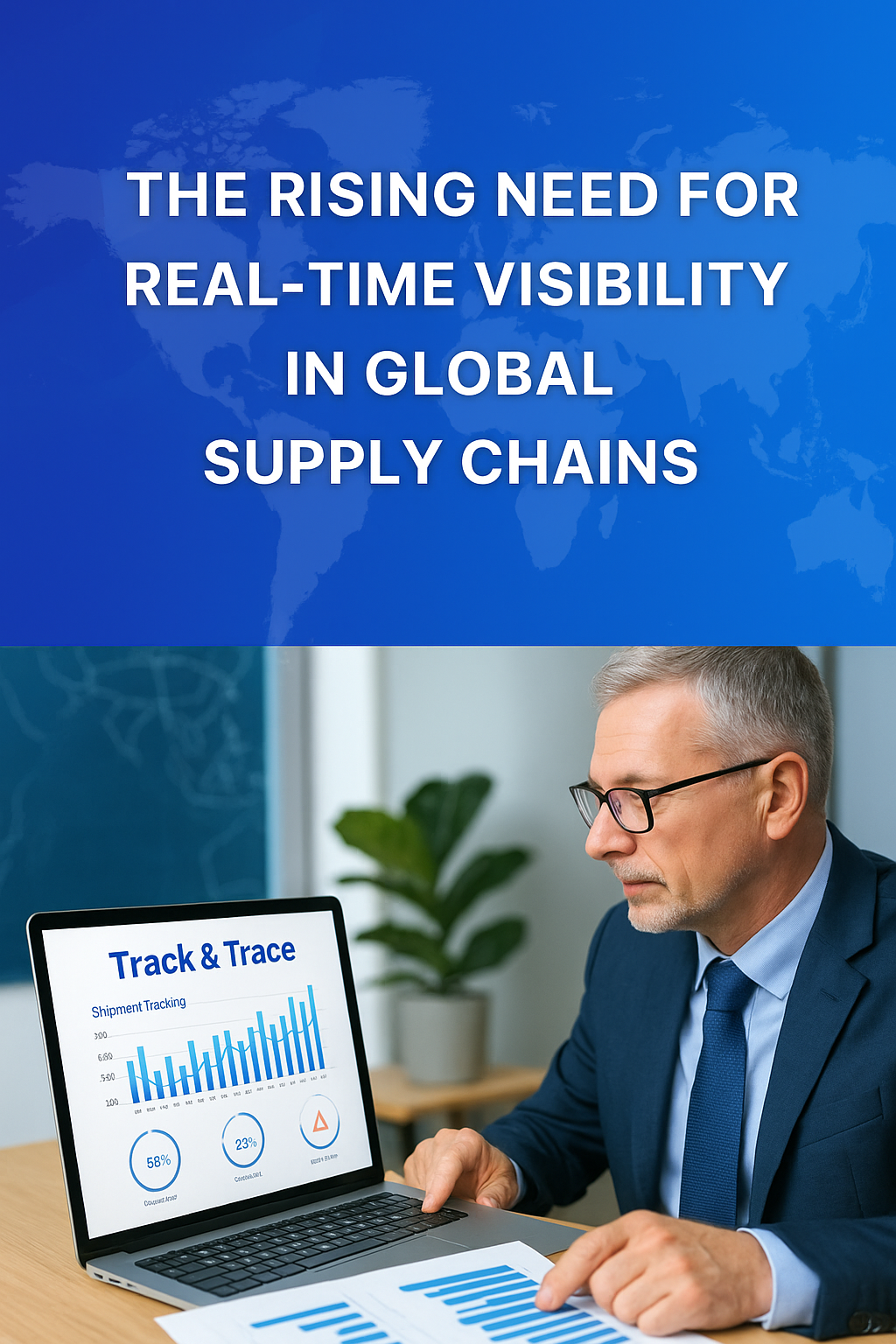
Global supply chains are more interconnected and fast-moving than ever before. But with complexity comes unpredictability—delays, disruptions, missed milestones, and manual communication gaps that cost businesses both time and money. As customer expectations shift toward faster deliveries and transparent updates, real-time visibility is no longer optional; it has become a competitive necessity.
Today, companies are moving away from traditional tracking methods that rely on fragmented carrier portals, emails, and spreadsheets. Instead, unified Track & Trace platforms are redefining the way organizations monitor movement across sea, air, road, and rail. This shift not only improves operational control but also empowers businesses to respond proactively rather than reactively.
Modern visibility systems integrate data from shipping lines, airlines, transporters, warehouses, and customs systems to deliver a centralized view of every milestone—right from gate-in to last-mile delivery.
About Expert Intervention
Real-time visibility equips logistics teams with the clarity and confidence they need to minimize disruptions and plan ahead effectively. With predictive ETAs, deviation alerts, and milestone insights, businesses can reduce downtime, optimize costs, and enhance customer satisfaction.